13 Jun 2026
Assessing Travel Fatigue Metrics in Transatlantic Basketball Showdowns
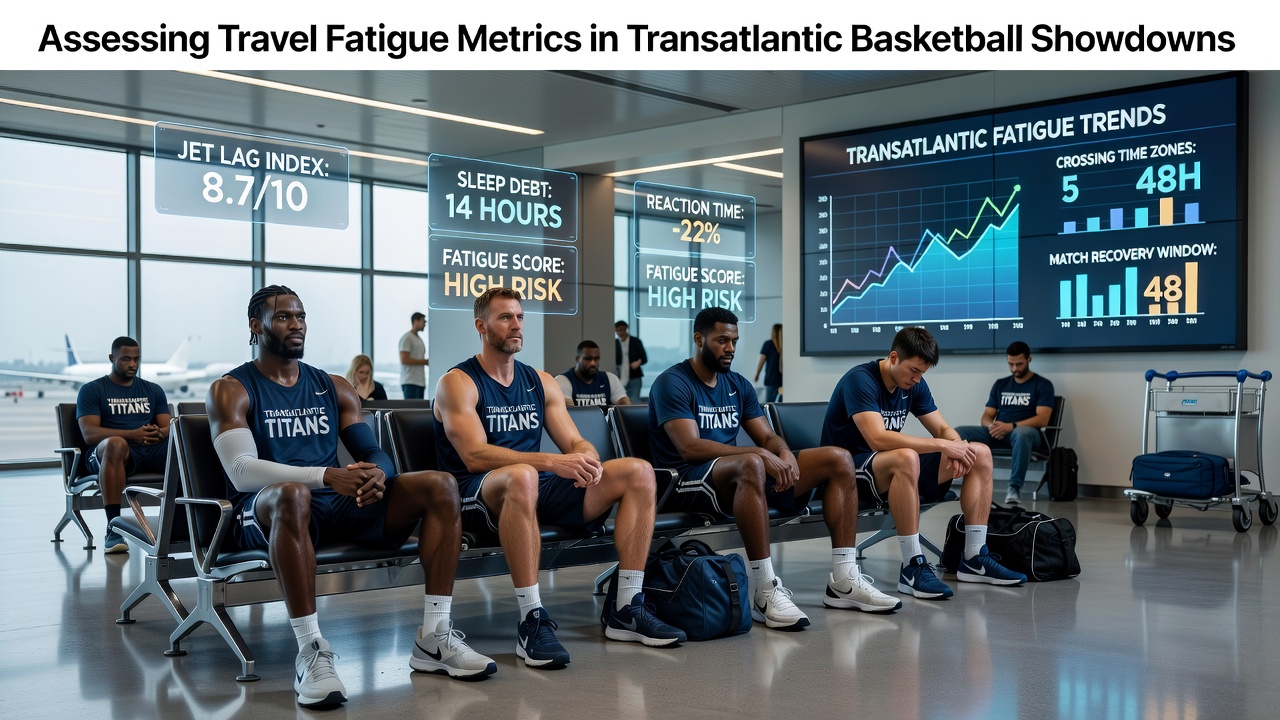
Transatlantic basketball matchups present unique challenges for teams crossing multiple time zones, and researchers track specific metrics to quantify the resulting fatigue. Performance data collected during NBA exhibitions and FIBA events in recent years shows measurable drops in shooting accuracy and sprint speed after eastbound flights spanning eight or more hours. Observers note that these contests, often scheduled in June during off-season windows such as the 2026 international showcase series, require careful monitoring of player recovery windows before tip-off.
Core Metrics Used in Fatigue Assessment
Teams and analysts rely on a combination of subjective scales and objective tools to evaluate fatigue levels. Sleep efficiency tracked through wearable devices serves as one primary indicator, while heart rate variability measured at rest provides insight into autonomic nervous system recovery. Reaction time tests conducted via tablet-based apps and jump height assessments using force plates round out the standard battery, according to protocols outlined in studies published by the National Strength and Conditioning Association. Data collected across multiple seasons reveals that players typically require 48 to 72 hours to restore baseline values after crossing the Atlantic, though individual responses vary based on age and prior travel experience.
Application in Recent Transatlantic Events
During the June 2026 series of games held in London and Paris, medical staff from participating clubs logged daily fatigue scores for all roster members. Eastbound travel from North American cities produced sharper declines in evening game performance compared with westbound returns, a pattern consistent with findings from earlier European tours. Researchers at institutions including the Australian Institute of Sport have documented similar asymmetries in circadian adjustment, noting that body temperature rhythms and cortisol profiles take longer to realign after eastward shifts. Teams incorporated these insights by adjusting practice intensity on arrival days and prioritizing light exposure schedules to accelerate adaptation.
Data Collection Methods and Tools
Modern assessment combines continuous monitoring with snapshot evaluations performed at set intervals. Wearable sensors capture overnight sleep stages and resting heart metrics, while morning wellness questionnaires collect self-reported soreness and mood data. In one documented case from a 2025 exhibition series, a squad reduced high-intensity drills by 30 percent on the first two days post-flight after reviewing aggregated team scores. Video analysis of game footage further supplements these numbers by flagging changes in defensive closeouts and transition speed that correlate with elevated fatigue readings. Such layered approaches allow coaching staffs to identify at-risk players before cumulative effects influence outcomes.
Comparative Analysis Across Time Zones
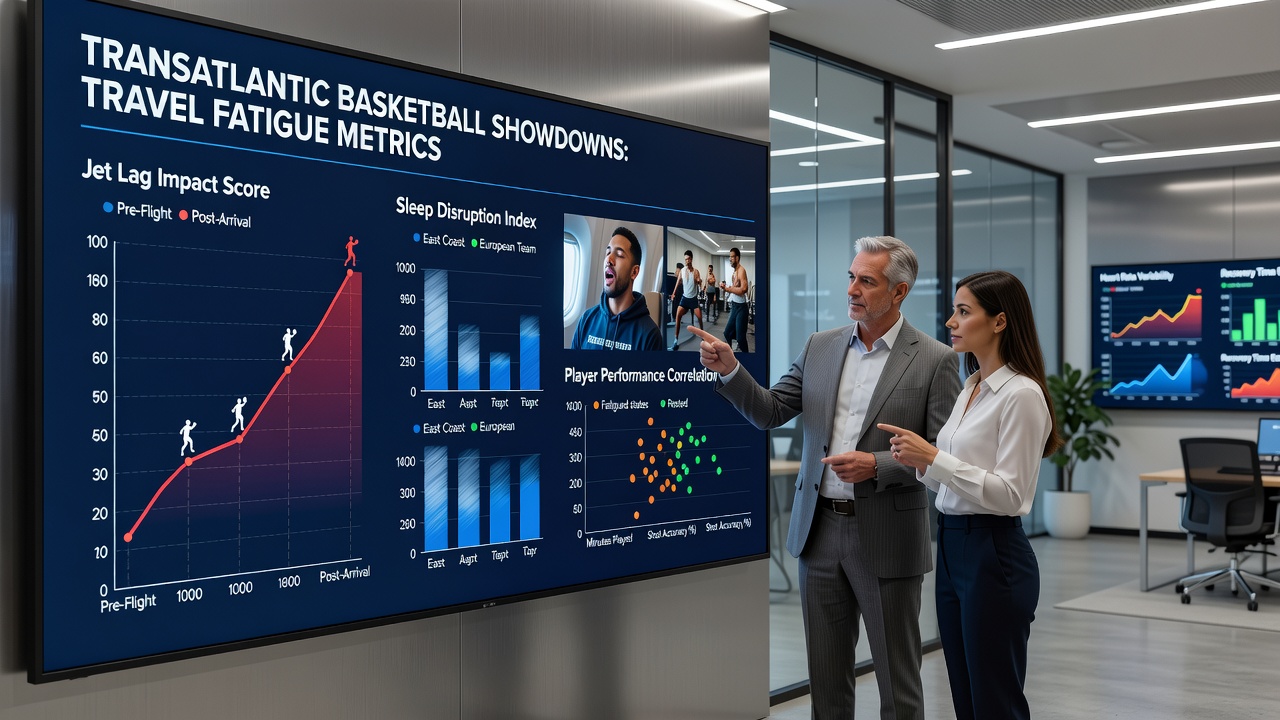
Transatlantic flights introduce greater disruptions than domestic travel because they combine time zone shifts with cabin pressure changes and limited movement opportunities. Studies tracking NBA squads traveling to preseason events in Asia versus Europe indicate that flights exceeding seven time zones produce more pronounced decrements in three-point shooting percentages during the first two games. Observers note that recovery timelines lengthen when matches occur in the late evening local time, forcing players to compete during their biological night. Performance databases maintained by league medical committees show average reductions of 4 to 7 percent in key efficiency ratings immediately following such journeys, with gradual improvement observed by the fourth day on the new schedule.
Strategic Adjustments Based on Fatigue Readings
Coaching decisions increasingly incorporate fatigue thresholds when finalizing rotations for overseas contests. Load management protocols may limit minutes for veterans showing elevated overnight heart rate variability scores, while younger players with quicker recovery profiles receive expanded roles. Nutrition timing and hydration protocols receive added emphasis during flights, and some organizations charter aircraft equipped with lie-flat seating to preserve sleep quality. These measures, refined through iterative review of past transatlantic series, help maintain competitive balance despite the physiological demands of long-haul travel.
Conclusion
Systematic evaluation of travel fatigue metrics provides teams with actionable data for optimizing performance in transatlantic basketball showdowns. Continued refinement of wearable technology and standardized testing batteries supports more precise recovery planning, particularly for events clustered around periods like June 2026. As schedules continue to incorporate international matchups, the integration of these assessments into daily routines offers a practical framework for sustaining player readiness across time zones.