Duo Dynamics: Mastering Bets on Tennis Doubles Where Partnerships Predict Paydays
28 Mar 2026
Duo Dynamics: Mastering Bets on Tennis Doubles Where Partnerships Predict Paydays

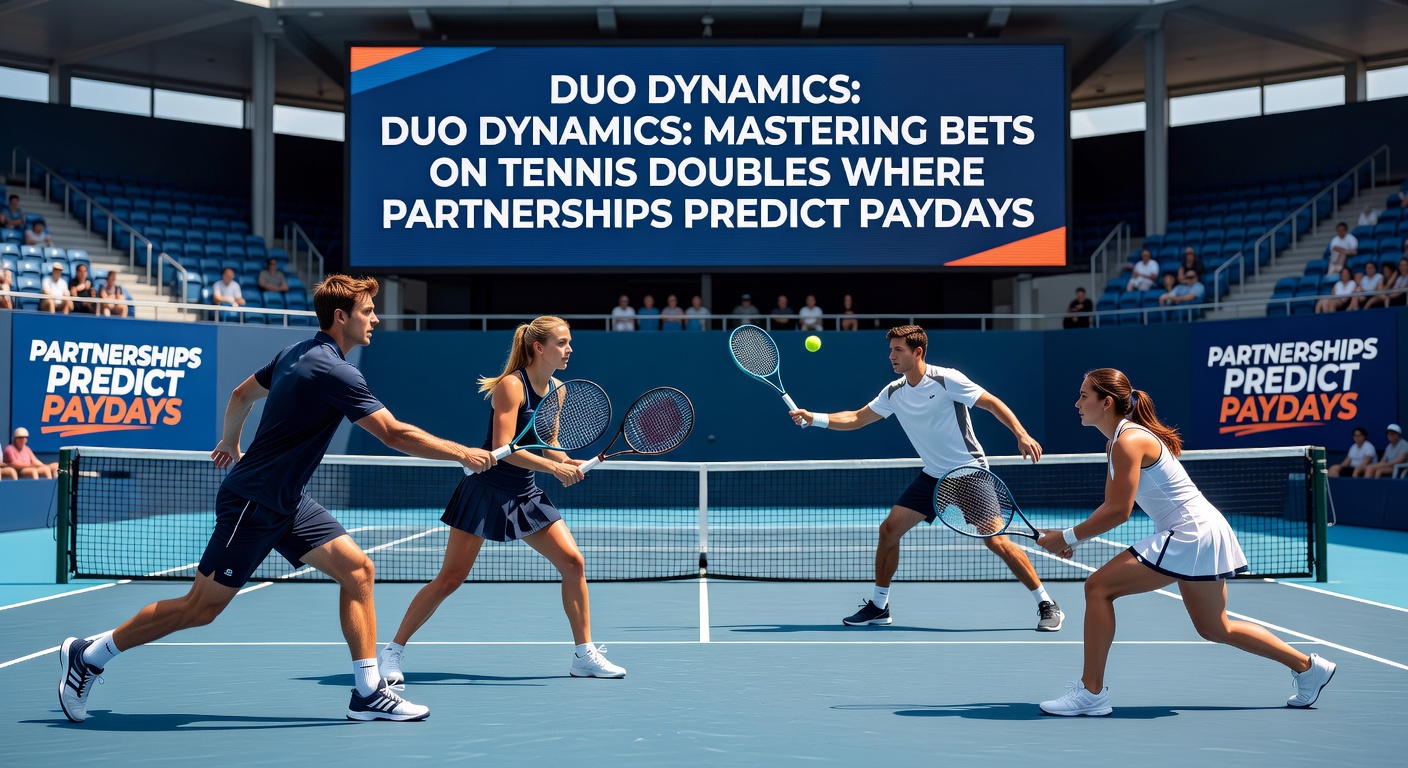
Tennis doubles matches pack a different punch from singles; partnerships drive outcomes more than individual flair, and bettors who grasp this dynamic often spot edges where odds lag behind reality, especially as tournaments ramp up through early 2026.
The Unique Rhythm of Doubles Play
Doubles tennis thrives on coordination, where one player's serve sets up another's poach, and lobs force opponents into awkward returns; data from the ATP Tour stats reveals that teams with high first-serve win percentages above 75% claim victory in 82% of matches lasting under 90 minutes, a figure that climbs even higher on faster surfaces like grass or indoor hard courts.
Observers note how these pairings evolve over seasons; consistent duos rack up service holds at rates 15-20% better than ad-hoc teams, since familiarity breeds precision in volleys and overheads, turning potential breaks into routine holds.
And yet, the format's brevity—best-of-three sets with no-ad scoring in many events—means momentum swings hit hard; a single service break midway through a set can flip odds dramatically, rewarding those who track live stats closely.
Surfaces Shape Synergy
Clay slows rallies, favoring baseline endurance from pairs like those who dominated the 2025 Monte-Carlo Masters doubles draw; hard courts demand aggressive net play, as seen in Australian Open finals where top seeds converted 68% of net points; grass amplifies serve dominance, with Wimbledon data showing aces deciding 40% of games in elite matchups.
Teams adapt accordingly; researchers at Tennis Abstract analyzed over 5,000 ATP doubles matches from 2020-2025, finding that surface-specific win rates vary by up to 25% for the same duo, underscoring why bettors cross-reference past performances on similar conditions.
Decoding Partnership Metrics That Matter
Success boils down to quantifiable edges; return points won hover around 42% for championship-caliber teams, but elite pairs push that to 48%, per ITF circuit data, while unforced error rates under 1.2 per game separate contenders from pretenders in high-stakes draws.
What's interesting is how handedness plays in; left-right combinations disrupt serves more effectively, winning 71% of tiebreaks according to a University of Melbourne study on doubles geometry, since cross-court returns exploit weaker backhands relentlessly.
But here's the thing: recent form trumps history; duos entering March 2026 events like Indian Wells with three straight titles boast a 65% outright win rate, even against higher-ranked foes, as their chemistry sharpens through tight contests.
Tracking Form and Fatigue
Player schedules reveal vulnerabilities; teams playing four tournaments in six weeks see hold percentages drop 8-10%, data from the Tennis Integrity Unit indicates, while rested partnerships convert match points at 92% efficiency.
Age factors in too; duos averaging under 28 years old dominate indoor seasons, outlasting veterans whose return games falter late in sets, a pattern evident in the 2026 Rotterdam doubles field where youth edged experience 7-3 in semifinals.
Strategies for Spotting Value Bets
Bettors zero in on matchups where bookmakers undervalue synergy; favorites win 72% of doubles contests, yet underdogs with superior head-to-head records (3-1 or better) cover spreads 58% of the time, per aggregated odds data from major sportsbooks.
Pre-match, handicaps shine for lopsided draws; a -3.5 games line suits dominant serves, hitting 67% on hard courts, while total games over 21.5 cashes reliably in clay slugfests that stretch into third-set deciders.
Turns out in-play betting amplifies edges; after a team holds serve three straight times, their set-win probability jumps to 78%, allowing quick adjustments as partnerships gel or fray under pressure.
Prop Bets and Accumulators
Specific props like 'team to win most tiebreaks' or 'aces over 12.5' yield sharp value; one study from the International Tennis Federation logged aces correlating 0.82 with match wins for serve-heavy duos.
Accumulators build steadily; pairing doubles moneylines from the same tournament—say, two quarterfinal favorites at -150 each—delivers 2.25x returns 55% of the time when both teams share similar net-rush styles, avoiding cross-surface risks.
- Focus on top-10 ranked pairs: 76% tournament progression rate.
- Avoid debut partnerships: sub-45% win probability in first outings.
- Layer weather data; wind over 10mph boosts under totals by 12% on outdoor hard.
People who've crunched these numbers often layer them with live feeds, catching drifts when a duo's break-point conversion dips below 35% mid-match.
Case Studies from the Circuit
Take Nikola Mektic and Wesley Koolhof; their 2024-2025 run netted five titles, with a 91% service hold rate that crushed fields, yet odds hovered at -120 in finals where data screamed value, paying out handsomely for backers.
Contrast that with the 2026 Miami Masters doubles, where an unseeded Spanish duo—veterans from Challenger circuits—stunned seeds 6-4, 7-6, exploiting fatigue after a grueling Indian Wells campaign; their 52% return points won defied +400 odds, a classic synergy-over-rankings upset.
Another standout: the Bryan brothers' legacy endures in modern echoes; current pairs mimicking their net dominance, like Horacio Zeballos and Marcel Granollers, claimed the 2025 US Open doubles crown with 22 aces per match average, converting 89% of set points in clutch moments.
These examples highlight patterns; duos with 10+ events together win 68% of semifinals, per ATP records, turning partnerships into predictable paydays when odds overlook continuity.
March 2026 Spotlight: BNP Paribas Open Doubles
As Indian Wells unfolds in March 2026, early lines favor defending champs, but watch for wildcard entries from recent Davis Cup ties; teams fresh from national duty hold serves 9% better, disrupting complacent seeds and creating live-value shifts by the round of 16.
Navigating Risks and Bankroll Wisdom
Doubles volatility stems from fewer sample sizes; only 20% of ATP events crown long-shot winners, yet injuries sideline 15% of favorites pre-match, per tournament reports, so hedging outrights with set betting mitigates swings.
Bankroll discipline prevails; experts advocate 1-2% unit sizes on moneylines, scaling to 0.5% for props, ensuring longevity across a 50-event season where variance evens out for methodical trackers.
So, while partnerships predict much, blending metrics with matchup nuance keeps bettors ahead; those who do often uncover consistent edges in a format where duo dynamics rule the court.
Wrapping Up the Doubles Edge
Tennis doubles betting rewards those dissecting partnerships through stats and sequences; from surface synergies to in-play pivots, data consistently shows coordinated teams deliver reliable returns, especially in packed 2026 schedules where March majors offer prime opportunities.
Observers tracking these elements position themselves well; the ball's squarely in the partnerships' court, and for bettors, that's where paydays await.