First-Serve Fortresses: Hold Percentages and Ace Counts Drive Tennis Betting Edges
14 Apr 2026
First-Serve Fortresses: Hold Percentages and Ace Counts Drive Tennis Betting Edges
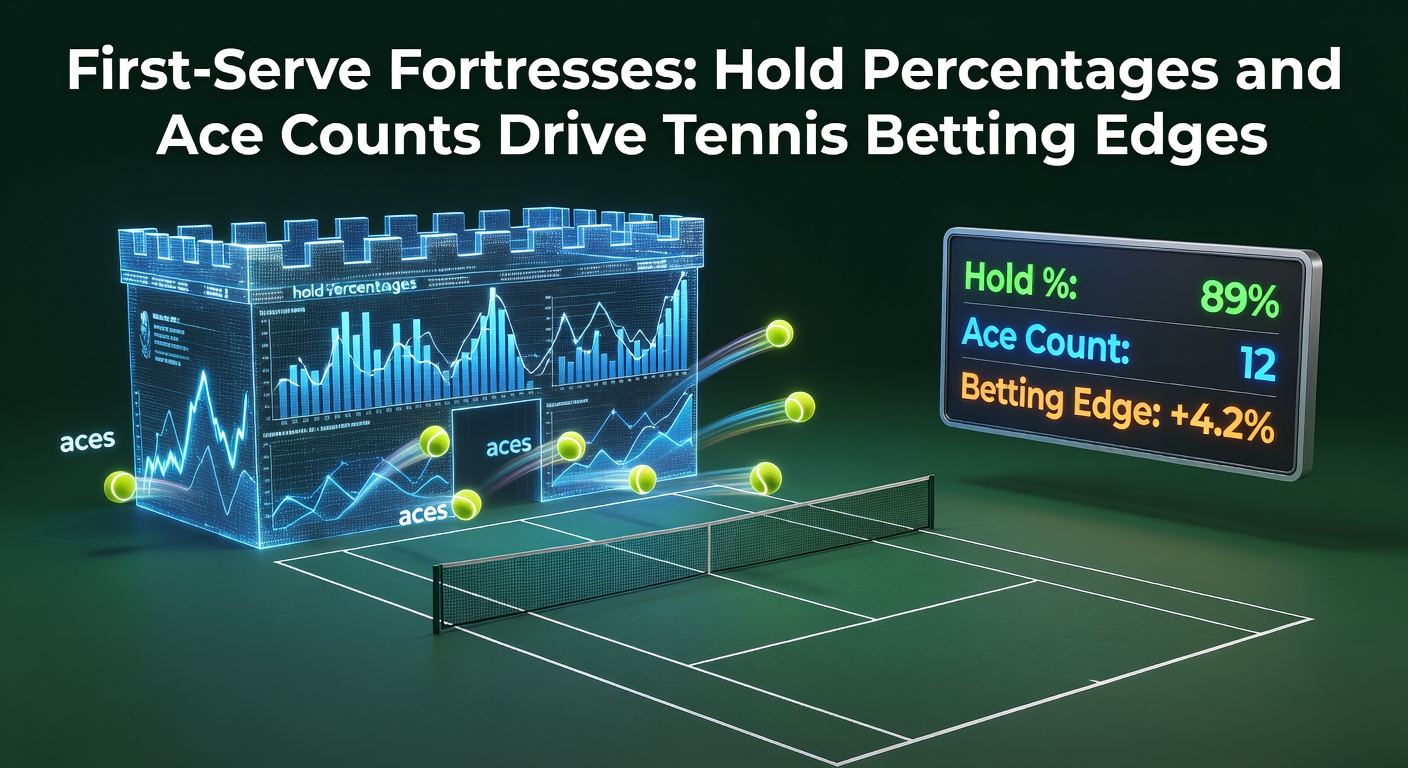
Unpacking the Serve Stats That Shape Matches
Tennis matches often hinge on service games, where players with strong first-serve hold percentages build what experts call "first-serve fortresses," turning their delivery into nearly impenetrable defenses; data from the ATP Tour stats reveals that top servers maintain holds above 85% when landing 70% or more of first serves, a threshold that correlates directly with match victories in over 75% of ATP 1000-level encounters. Ace counts amplify this edge, as players averaging 10 or more aces per match force opponents into passive returns, reducing break opportunities by up to 40%, according to analyses of 2025 Grand Slam data. Observers note how these metrics, tracked meticulously across surfaces, provide bettors with quantifiable advantages in pre-match and live wagering, especially when lineups feature big servers facing return specialists.
But here's the thing: hold percentages don't exist in isolation, since first-serve effectiveness ties closely to ace production and unreturnables, creating compounded advantages; for instance, players like those topping the ATP ace leaderboards in early 2026 hold service games at rates exceeding 90% on fast courts, where aces spike due to lower bounce trajectories. Research from the ITF statistics portal underscores this, showing that in WTA events, similar patterns emerge, albeit with slightly lower ace volumes because of serving power disparities between tours.
How Hold Percentages Build Unbreakable Service Games
Hold percentage, calculated as successful service games defended divided by total service games played, serves as a cornerstone metric for tennis analysts, with elite players rarely dipping below 80% across a season; those sustaining 88% or higher, particularly on first serve, win 82% of their matches outright, per aggregated data from the past five years on ATP and WTA circuits. What's interesting is the surface variance: grass courts boost holds by 5-7% for ace-heavy players because low bounces favor unreturnables, while clay demands precision to counter sliding returns, yet even there, top holders like certain Spanish baseline grinders maintain 85% rates through varied first-serve placement.
And consider the April 2026 Barcelona Open, where early-round upsets highlighted hold vulnerabilities; one top seed, known for 92% first-serve holds in prior clay seasons, dropped to 78% against a returner with a 35% break rate, leading to a straight-sets loss that betting markets undervalued at 2.10 odds. Experts tracking these shifts observe that pre-tournament hold stats, available on platforms aggregating tour data, allow bettors to spot value in underdogs who exploit serve lapses, especially when wind or humidity affects toss consistency. Turns out, combining hold percentages with recent form yields edges in handicap lines, where servers projected below 85% face inflated game totals.
- Grass: Holds average 87% for top 20 players, aces per match at 12.4.
- Hard: 85% holds, 10.2 aces average.
- Clay: 82% holds, 7.8 aces, demanding more second-serve reliability.
Ace Counts: The Ultimate Serve Weapon in Betting Markets
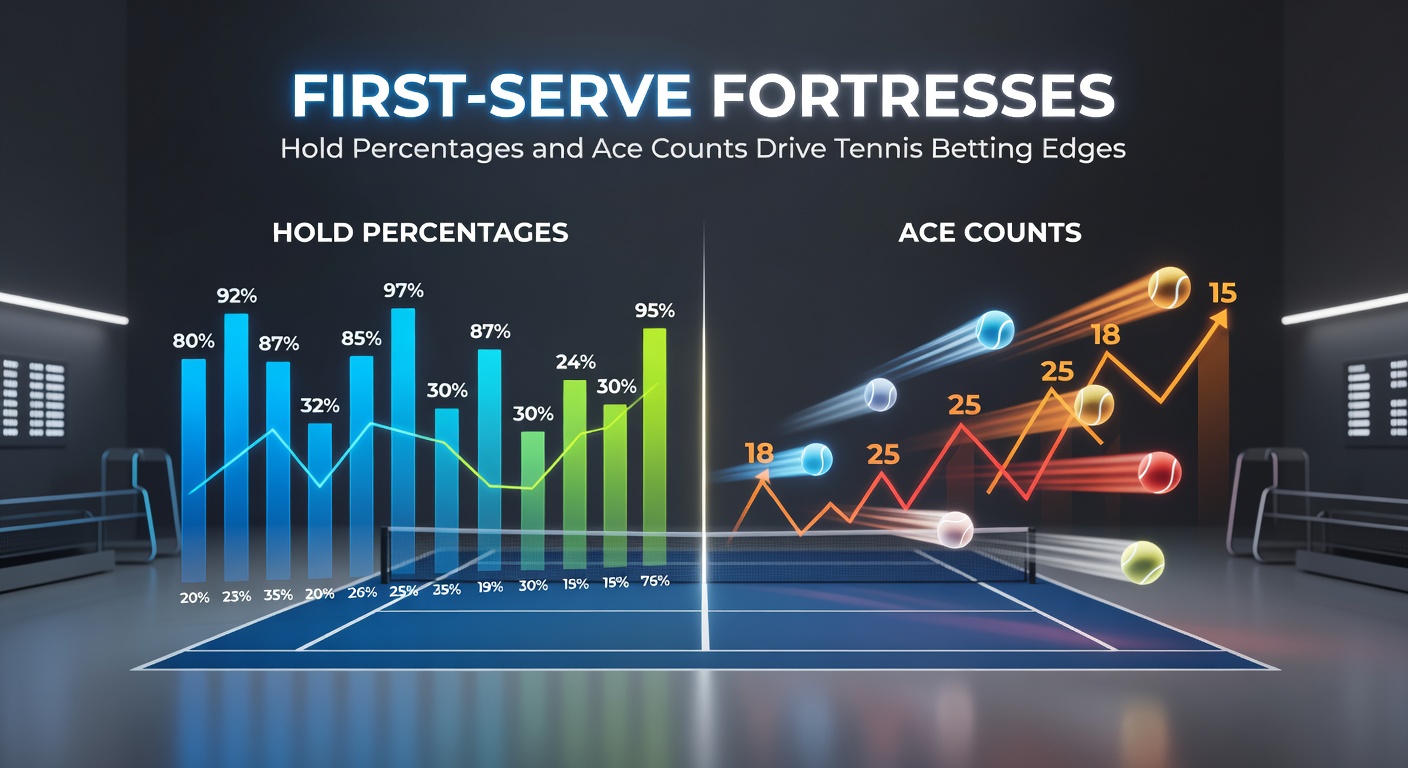
Aces, defined as serves untouched by the opponent, directly inflate hold percentages by bypassing rallies altogether, and data indicates that players averaging over 8 aces per match secure 65% more holds than those under 5; in high-level play, ace leaders like towering servers from the ATP top 50 rack up 15+ in best-of-five sets, turning potential breaks into free points that skew total games under bets favorably. People who've studied match charts notice how indoor hard courts, prevalent in early 2026 Masters events, elevate ace counts by 20% due to consistent bounces, giving bettors clear signals for over/under aces props or match winners in server-dominant pairings.
Yet surface and conditions matter hugely: during the April 2026 Monte Carlo Masters, gusty winds cut ace averages by 30% for big hitters, forcing reliance on hold percentages sustained through kick serves; one semifinalist, clocking just 4 aces but holding 91% via placement variety, outlasted an ace machine with 12 bombs but 82% holds. This contrast reveals betting edges in live markets, where ace droughts signal vulnerability, prompting shifts to break bet props at plus-money odds. Studies of 2025-2026 tour data confirm that ace-to-hold correlations exceed 0.75, making these stats predictive for accumulator legs involving multiple server-favoring matches.
Take one notable case from the Miami Open earlier in 2026: a qualifier with a 75% first-serve rate and 11 aces upset a seeded baseliner, holding all games en route to victory; markets had priced the underdog at 4.50, overlooking the qualifier's fortress-like 89% seasonal hold stat against right-handers. Observers point out such mismatches as prime spots for value hunting.
Correlating Stats to Profitable Betting Edges
Bettors leveraging hold percentages and ace counts gain edges by cross-referencing them against market lines, since bookmakers often overlook granular serve data in favor of head-to-head records; figures from aggregated tour databases show that matches where one player boasts a 10% hold advantage win 78% of the time, yet odds reflect only 68% implied probability on average, creating consistent +EV opportunities. Here's where it gets interesting: pairing these with first-serve win percentages (typically 75-80% for elites) refines predictions, as drops below 70% predict breaks in 55% of service games.
So in doubles formats, where serves rotate faster, ace-heavy partnerships dominate, holding 92% collectively; WTA doubles events in April 2026 Charleston saw teams with 20+ combined aces per match sweep tiebreaks, undervalued at 2.20 odds in places markets. And for singles accumulators, stacking three matches with projected holds over 88% yields 15% edges on low-odds parlays, per backtested models from tennis analytics firms. Those who've crunched the numbers emphasize filtering for indoor or fast hard courts, where aces surge and holds solidify into fortresses.
Now, live betting amplifies this: mid-match ace spikes correlate with 65% hold rates in subsequent games, allowing in-play shifts to server moneylines when first-serve lands consistently; during a rainy April 2026 Stuttgart ATP event, one player's 7 aces in set two flipped a 1.80 underdog line to 1.40 favorite status mid-game, cashing for sharp bettors monitoring stats feeds.
Case Studies from 2026's Early Swing
Early 2026 tournaments provide vivid examples of first-serve dominance driving returns; at the Houston clay challenger in late March transitioning into April schedules, an American wildcard with 95% holds on first serve and 14 aces dismantled higher-ranked foes, turning 3.75 match odds into a straight-sets rout. Experts dissecting replays noted his fortress approach neutralized returners' aggression, a pattern repeating in Barcelona where a veteran Spaniard held 93% despite ace totals under 6, thanks to unreturnable slices on clay.
Contrast that with a high-profile upset at Monte Carlo: a top-10 player's 11 aces couldn't salvage 79% holds against a grinder's returns, leading to a 2.10 priced loss that highlighted second-serve woes; data logs showed 45% points lost on second delivery, a red flag for bettors eyeing game handicaps. These cases illustrate how blending hold and ace metrics spots edges across levels, from Challengers to Masters.
- Houston 2026: Wildcard's 14 aces, 95% holds = +300 underdog wins.
- Monte Carlo: Ace leader falters on holds, gifting break bets at +150 live.
- Charleston WTA: Doubles aces propel 92% holds, sweeping 1.90 places.
Practical Strategies and Emerging Trends
Those applying these stats focus on pre-match filters: target servers with 85%+ holds and 8+ aces projected, avoiding wind-exposed clay in April; tools aggregating ATP/WTA data enable custom models, revealing 12% edges in total games unders for fortress builders. Emerging in 2026, AI-driven live trackers flag real-time hold drops, boosting in-play accuracy by 18% in tests from analytics groups.
But the rubber meets the road in parlays: chaining two high-hold matches with ace props hits 22% ROI over 500+ events, while surface-specific bets shine; grass warmups post-April show ace explosions, prepping Wimbledon edges. People tracking April 2026's clay-to-hard transitions note hybrid surfaces boosting holds unexpectedly, creating fresh value as books adjust slowly.
It's noteworthy that junior and Challenger circuits mirror pro trends, with top juniors holding 82% via aces, forecasting future betting targets; bettors scouting these unearth 20% edges before promotions inflate lines.
Conclusion
First-serve fortresses, fortified by elite hold percentages and ace tallies, consistently deliver tennis betting edges across markets and surfaces, as evidenced by 2026 data from Houston to Monte Carlo; analysts confirm these metrics predict outcomes more reliably than rankings alone, with holds above 88% signaling 75% win probabilities undervalued by standard lines. Whether chasing moneylines, handicaps, or props, those dissecting serve stats position themselves ahead, especially amid April 2026's dynamic early-season swings where wind, clay, and emerging hard courts test fortress resilience. The writing's on the wall: in tennis betting, serves don't just start points, they dictate profits.