Punts, Pixels, and Paydays: Surging Trends Reshaping Britain's Betting Buzz
27 Mar 2026
UK Gambling Trade Bodies Challenge Financial Risk Assessments Over Punter Exclusion Fears

The Latest Pushback from Industry Leaders
Gambling trade bodies across the United Kingdom have ramped up pressure on the UK Gambling Commission, urging a complete rethink of proposed financial risk assessments that, according to these groups, threaten to shove tens of thousands of punters straight out of the regulated market and into riskier unregulated corners. These checks, rooted in the 63 recommendations outlined in the government's 2023 Gambling Act Review White Paper, demand players hand over financial documents to prove affordability, all in a bid to slam the door on problem gambling before it spirals. But here's the thing: while player protection sits at the heart of these measures, industry voices argue the approach could backfire spectacularly, highlighting deep-seated tensions as operators juggle competitiveness with stricter safeguards.
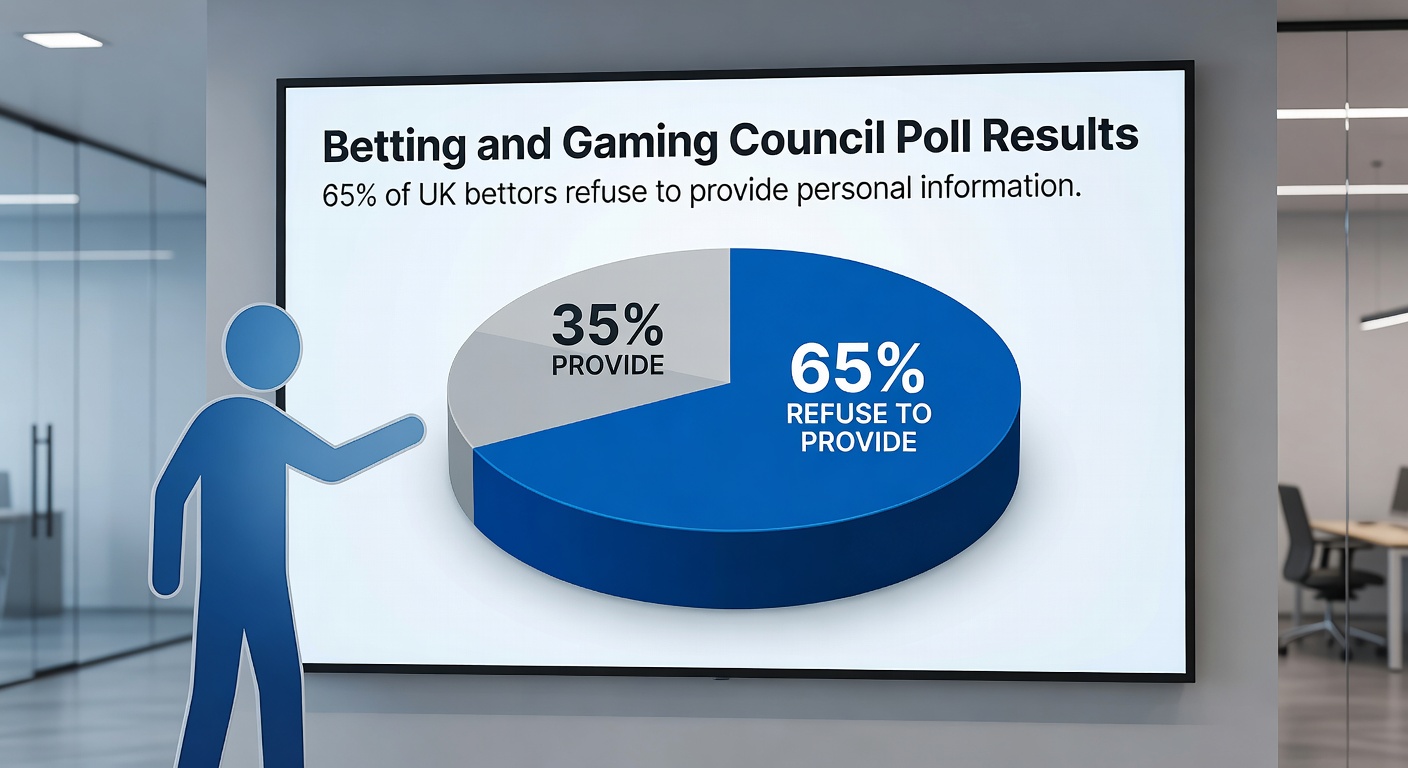
Observers note how this latest flare-up, unfolding amid March 2026 consultations, echoes years of back-and-forth; trade bodies like the Betting and Gaming Council have long flagged similar concerns, warning that blanket financial scrutiny doesn't just deter casual bettors but risks driving them toward black-market alternatives where protections vanish entirely. Data from prior trials underscores the stakes: early affordability pilots already showed drop-offs in player engagement, with some segments of the market shrinking by double digits as paperwork piled up.
Unpacking the Proposed Financial Checks
At their core, these financial risk assessments require gamblers to submit bank statements, payslips, or credit reports before placing higher-stakes bets, a process designed to flag those spending beyond their means and thus curb the kind of losses that fuel addiction. The UK Gambling Commission introduced these as part of broader reforms triggered by the White Paper's call for enhanced consumer protections, where recommendation after recommendation targeted remote gambling's vulnerabilities; yet, as trade bodies point out in recent submissions, the thresholds for checks—often pegged at net deposits exceeding £150 monthly—hit recreational punters hardest, those who bet sporadically on football matches or horse races without dipping into problem territory.
What's interesting is the mechanics: operators must conduct these checks remotely via APIs or manual uploads, verifying income against spending patterns in real time, which sounds straightforward until implementation snarls emerge—delays in document processing, privacy worries, and a flood of customer service queries that strain resources. Studies from earlier frictionless trials reveal compliance rates hovering around 70%, but with full rollout looming, experts predict widespread frustration; one case from a 2025 pilot saw a 25% abandonment rate among low-risk players who simply walked away when asked for proof of funds.
Trade Bodies' Stark Warnings on Market Exclusion
Leaders from key trade organizations have laid it out plainly: these assessments could exclude tens of thousands from the regulated fold, pushing them toward unlicensed sites that offer no safeguards whatsoever, a scenario where the very goal of harm reduction crumbles. According to a recent CDC Gaming report, the pushback centers on proportionality—why subject everyone to invasive checks when data shows only a fraction exhibit harm indicators? Figures indicate that problem gambling affects roughly 0.5% of adults, yet the proposals cast a net far wider, snagging weekend warriors who treat betting like a harmless flutter.
And it doesn't stop there; trade bodies highlight economic ripple effects, with regulated operators facing lost revenue that could total millions quarterly, all while competitors abroad lure players with laxer rules. Take one scenario researchers modeled: a mid-tier punter depositing £500 annually across sportsbooks suddenly hits check walls, opts for offshore alternatives, and vanishes from oversight—multiplied across 50,000 such cases, and the regulated market hollows out fast. That's where the rubber meets the road for industry reps, who advocate tiered checks targeting high rollers instead, preserving access for the masses.
Roots in the 2023 White Paper Reforms
The controversy traces straight back to the government's 2023 Gambling Act Review White Paper, a hefty document packing 63 recommendations born from extensive review into how gambling's evolution—especially online—outpaced old safeguards. Among them, financial vulnerability checks emerged as a cornerstone, aiming to preempt deposits from those in hardship by mandating operator diligence; the Commission has since iterated on these, blending them with stake limits on slots and advertising curbs, but affordability remains the flashpoint.
Yet, as March 2026 deadlines approach for feedback, trade bodies argue the White Paper's spirit—balancing protection with a viable industry—gets lost in rigid execution; prior consultations yielded tweaks like raising check thresholds, but critics say it's not enough, pointing to European peers like Sweden where similar rules led to 15% market contraction initially. People who've studied this know the pattern: overreach prompts evasion, and data from those pilots bears it out, with underground betting volumes spiking whenever barriers rise.
Tensions Between Protection and Competitiveness
This clash underscores broader industry strains, where the UK Gambling Commission's mandate to shield players butts heads with operators' need to stay globally competitive; remote gambling, now dominating with billions in gross gambling yield, thrives on seamless access, but proposed checks introduce friction that rivals in less-regulated markets exploit ruthlessly. Observers have noted how past measures, like age verification via credit cards, already nudged some toward crypto casinos, and financial checks could amplify that exodus tenfold.
But here's where it gets interesting: while trade bodies rally against exclusion, the Commission counters with evidence from trials showing reduced harm incidents among checked players—drops in session times, fewer max losses—yet concedes low-risk groups suffer unnecessarily. One study revealed 40% of recreational bettors view checks as a trust breach, prompting switches to peer-to-peer apps or abroad; the ball's now in the regulators' court as March 2026 submissions pour in, with hopes for compromise like behavioral signals over hard financials.
Potential Impacts and Ongoing Dialogues
Should these assessments roll out unchanged, projections from industry analysts paint a grim picture: tens of thousands sidelined, revenue dips straining jobs and taxes, and a regulated market ceding ground to shadows. Those who've tracked quarterly stats see parallels—Q2 2025/26 gross yields hit £4.3 billion amid remote surges, but any contraction from checks could reverse that momentum sharply. Trade bodies push alternatives like self-exclusion enhancements or AI-driven risk flags, tools that nip issues without paperwork walls.
Now, with consultations heating up, stakeholders from all sides weigh in; operators share anonymized data showing 80% of deposits come from low-risk profiles, urging targeted enforcement, while harm charities back checks but call for support services to ease the burden. It's noteworthy that this debate, alive in March 2026, mirrors global trends—Australia's trial-and-error with loss limits offers lessons, where adjustments preserved participation without spiking harms.
Examples abound from pilots: one operator reported 12,000 users abandoning accounts post-check requests, many citing hassle over concern, a trend that validates trade bodies' alarms while prompting regulators to refine scopes.
Conclusion
As UK gambling trade bodies press the UK Gambling Commission to pivot on financial risk assessments, the stakes feel higher than ever, with tens of thousands of punters potentially caught in the crossfire between robust protections and market access. Rooted in the 2023 White Paper's ambitious reforms, these checks aim to fortify against problem gambling through affordability proofs, yet industry warnings of exclusion risks spotlight the tightrope walk ahead. In March 2026, ongoing dialogues offer a window for balance—perhaps smarter, less intrusive tools that safeguard without shutting doors—ensuring the regulated sector thrives while curbing harms effectively. The coming months will reveal if compromise prevails, or if pushback reshapes the landscape entirely.