18 Jun 2026
Recovery Time Between Fixtures Influences Key Metrics in Basketball and Soccer
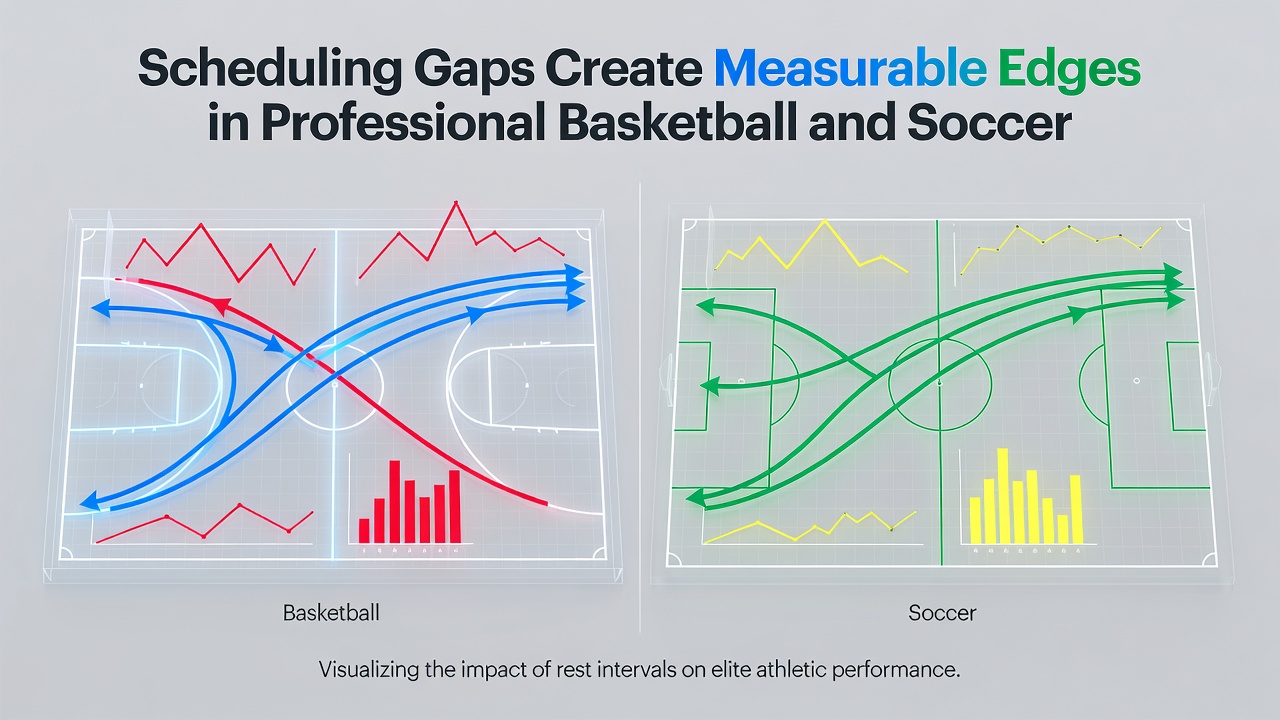
Professional leagues pack calendars tight with back-to-back contests, international breaks, and cross-country travel yet teams that receive an extra day or two between games post higher win rates and better efficiency numbers across both basketball and soccer, according to season-long tracking data. League statisticians have documented these patterns for years while coaches adjust rotations and medical staff monitor player loads to exploit the same windows. Observers note that scheduling gaps create measurable differences in shooting percentages, defensive stops, and goal tallies when one side enters a match fresher than its opponent.
Documented Patterns in the NBA
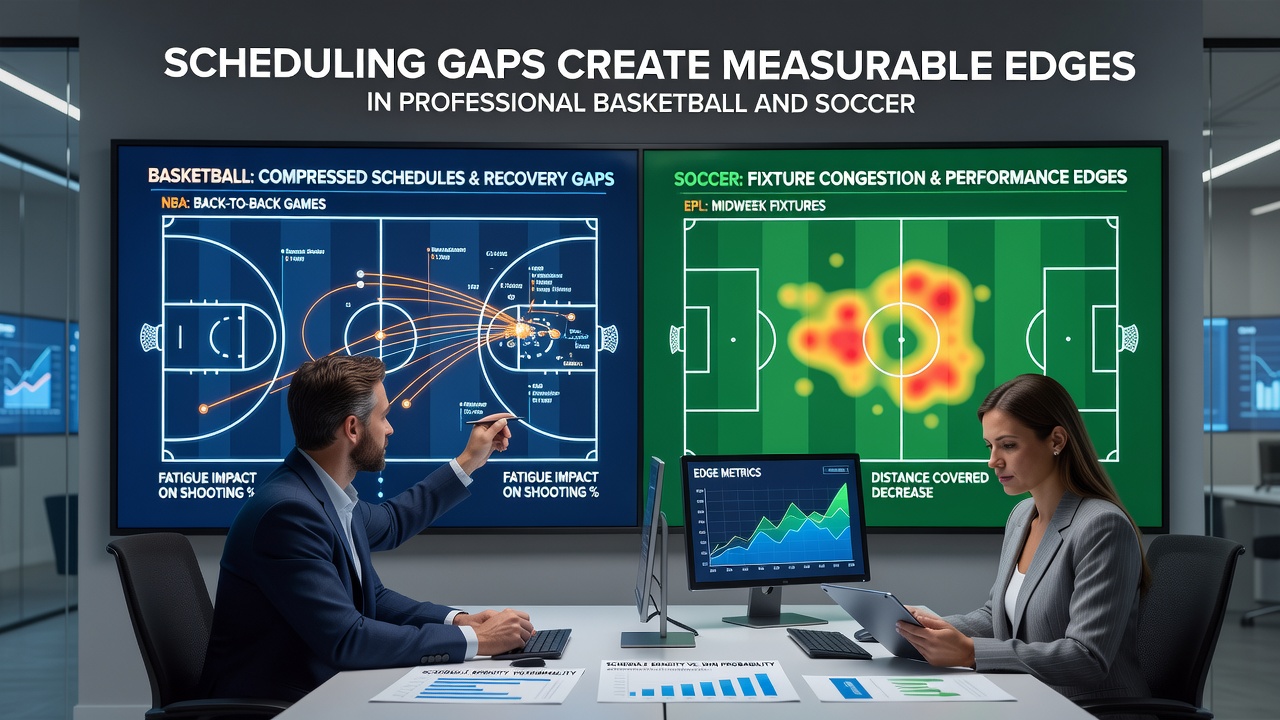
NBA teams playing on the second night of a back-to-back record win percentages roughly seven points lower than squads with at least one full rest day, a gap that widens on the road where travel compounds fatigue. Advanced tracking systems capture reduced sprint distances and lower three-point accuracy after consecutive games, while rebounding rates hold steadier because positioning relies more on scheme than raw explosiveness. Front offices now build schedules around these findings, requesting fewer back-to-backs during the 2025-26 campaign that carried into June 2026 playoffs. Researchers from sports science departments have cross-referenced these figures with heart-rate variability readings to confirm that recovery time directly correlates with maintained defensive communication and reduced turnovers.
Fixture Congestion Effects in Soccer
European soccer calendars produce similar clusters, particularly in domestic cups and continental competitions where clubs face three matches in eight days. Midweek fixtures followed by weekend league games show a measurable drop in high-intensity runs and successful tackles, metrics tracked across the Premier League, La Liga, and Bundesliga. Data sets released ahead of the June 2026 international window revealed that squads given four or more days between matches scored 0.3 more goals per game on average than those returning after only two recovery days. Medical teams therefore rotate central midfielders and fullbacks more aggressively during congested periods to preserve pressing intensity and set-piece defending standards.
Travel Distance and Time Zone Factors
Long-haul flights add another layer because circadian disruption compounds physical tiredness. NBA clubs crossing multiple time zones before a game display slower reaction times in the first quarter, while European soccer teams traveling east for Champions League ties often request training schedule adjustments to mitigate jet lag. Studies compiled by performance analysts at institutions outside the UK, including work from the Australian Institute of Sport and Canadian university labs, indicate that westward travel produces milder effects yet still registers in reduced passing completion rates during opening periods. Teams that build rest buffers before such trips maintain higher second-half outputs, a pattern visible in both league standings and individual player tracking reports.
Statistical Edges Across Multiple Seasons
Betting markets and performance models have incorporated rest differentials for several campaigns because the edges appear consistently rather than sporadically. When one basketball side enjoys two extra days and the other plays a back-to-back after travel, the rested team covers the spread at rates above 54 percent over large sample sizes. Soccer equivalents surface in both goal totals and corner counts, with fresher teams generating more set-piece opportunities through sustained width and overlapping runs. League data providers publish these splits monthly so analysts can refine projections without relying on anecdotal observation alone. What's interesting is how the advantage compounds in playoff series where one team can dictate rest patterns through home scheduling leverage.
Strategic Adjustments by Coaching Staffs
Coaches now treat rest as a tactical variable rather than a luxury, shortening training sessions after short-turnaround games and emphasizing walk-throughs instead of full-contact drills. Load management protocols in basketball have grown sophisticated enough that minutes restrictions appear in official game notes, while soccer managers deploy five-substitute rules more liberally during packed December and April periods. These decisions rest on objective workload data rather than guesswork, allowing teams to preserve key performers for stretches where fixture gaps shrink again. The ball's in the league schedulers' court to balance competitive fairness with broadcast demands, yet the performance gap remains visible in publicly available box scores and tracking outputs.
Conclusion
Rest intervals between matches continue to shape outcomes in both professional basketball and soccer because physiological recovery directly supports the technical and tactical demands of each sport. Data collected through June 2026 confirms that teams entering games with additional recovery time post superior efficiency metrics, whether measured in points per possession or expected goals. Front offices, medical departments, and analysts treat scheduling gaps as predictable variables that produce repeatable edges when properly accounted for in preparation and roster management.