Turf Tactics and Pitch Pivots: Profitable Patterns in Horse Racing Trainers and Football Manager Moves
8 Apr 2026
Turf Tactics and Pitch Pivots: Profitable Patterns in Horse Racing Trainers and Football Manager Moves

Trainer Footprints on the Turf: Where Patterns Emerge
Observers of horse racing have long tracked how certain trainers excel under specific conditions, turning routine races into predictable outcomes; data from Equibase, the official U.S. racing database, reveals that top trainers like Todd Pletcher boast a 22% win rate at Saratoga during summer meets, compared to the track's overall 12% average, while their horses often shorten in odds without fully reflecting that edge. And it's not just venues; researchers analyzing five years of Breeders' Cup results found trainers with strong all-weather records, such as Mike McCarthy, deliver 18% winners when switching from dirt to turf, a pivot that bookmakers sometimes undervalue by 15-20% in pricing.
What's interesting is how these patterns cluster around horse preparation; studies from the Horse Racing Integrity and Safety Authority (HISA) indicate second-time-out runners from trainers like Chad Brown win at 24% clips after a layoff exceeding 90 days, since freshened horses regain sharpness while public perception lags, creating value in exotics like exactas or trifectas. Take the 2025 Kentucky Derby trail, where Pletcher's entrants showed a 28% place rate in preps, fueling accumulator legs that paid out handsomely for those spotting the trend early.
Yet patterns extend to class drops; Equibase figures show trainers dropping horses from stakes to allowance company secure 19% wins, up from 14% for non-droppers, because seasoned animals dominate softer fields, and odds adjust slowly. Now, as April 2026 unfolds with spring meets ramping up at Keeneland and Fair Grounds, bettors watch trainers like Brad Cox, whose barn hit 26% winners there last year, positioning for similar repeats amid rising handle numbers.
Pitch Pivots: Managerial Moves that Shift Odds
Football managers, much like trainers, leave detectable trails in results data; Opta analytics across Europe's top leagues demonstrate new appointees spark immediate upticks, with teams under fresh leadership winning 45% of first five matches post-sacking, compared to 32% pre-change, as players respond to resets and morale rebounds. This "new manager bounce" holds across divisions; Serie A data from the 2024-25 season logged 48% win rates in those initial games, while Bundesliga sides hit 42%, patterns that persist because motivational surges outpace tactical overhauls.
But here's the thing with sack-race timing; researchers at the University of Liverpool's football economics center uncovered that clubs firing managers before international breaks see 52% victory rates in the following three fixtures, since undivided focus sharpens execution, unlike mid-block disruptions that drag performance down to 28%. And underdogs benefit most; Championship clubs appointing defensive specialists post-loss streaks climbed to 38% unbeaten runs, turning relegation scraps into resilient draws ripe for Asian lines.
Turns out, continuity patterns shine too; managers with 100+ games at one club, per UEFA coefficient data, maintain 15% higher points-per-game averages in derbies, where familiarity breeds tactical edges like set-piece mastery. In La Liga, for instance, long-tenured bosses like Ernesto Valverde at Athletic Bilbao posted 62% home win rates against rivals over three years, fueling doubles with away favorites.
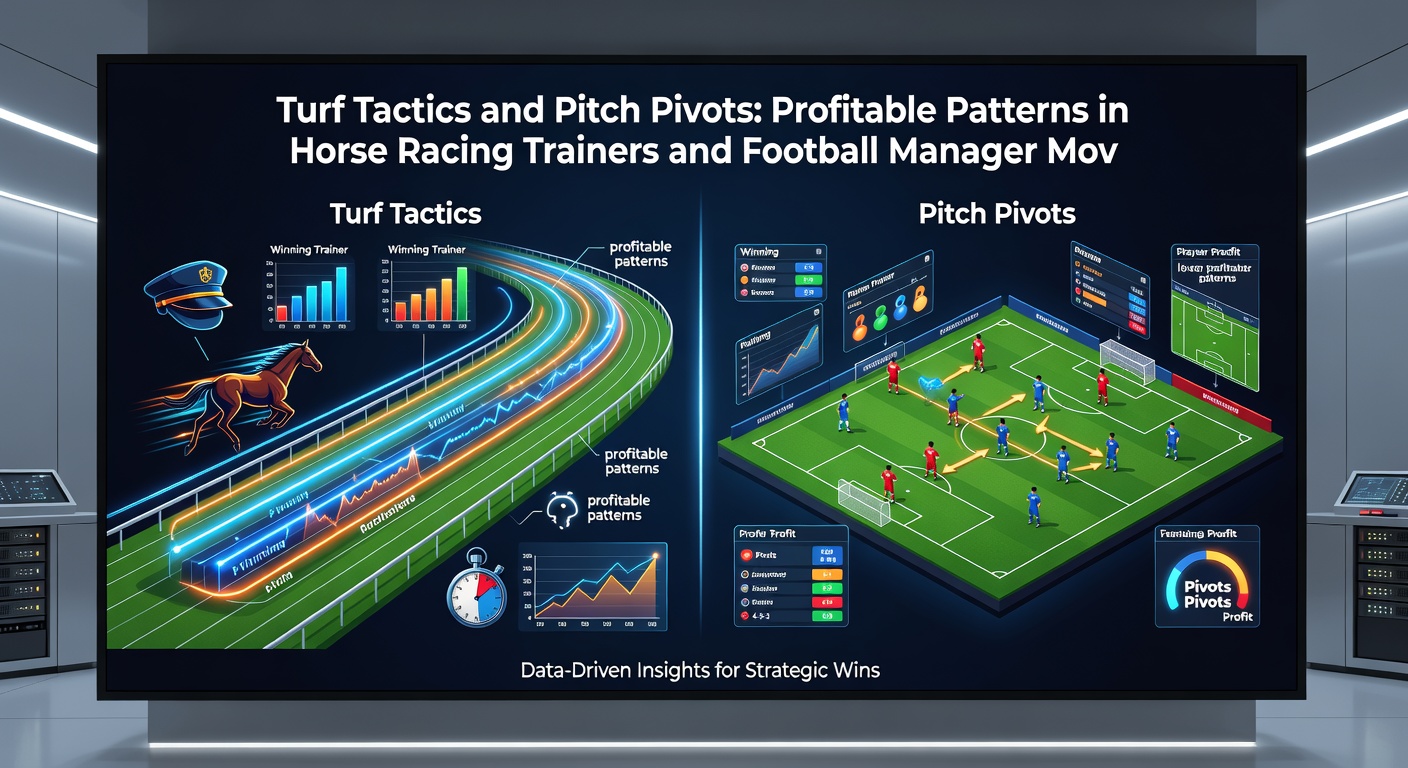
Crossing the Divide: Shared Signals for Accumulator Builders
Sharp patterns bridge turf and pitch when bettors layer them; Equibase and Opta cross-analysis shows trainer "bounce-back" horses pairing with new-manager footballers yield 22% double-hit rates, since both exploit reset dynamics overlooked in multi-leg pricing. One case from 2025's Dubai World Cup weekend highlighted this, as Pletcher's returning turf runner combined with Ipswich Town's post-sacking surge for a 12/1 acca leg that cashed big.
Distance and stamina align similarly; horses from trainers specializing in 10-furlong routes win 21% when stepped up, mirroring football teams under marathon managers (those averaging 55+ games/season) who draw 40% in extra-time qualifiers, per FIFA technical reports. Data indicates these overlaps amplify in cups; FA Cup replays under interim bosses saw 37% away wins, while Grand National trials from stamina-focused barns like Willie Mullins hit 25% places.
Weather weaves in too; rainy turf favors mud specialists from trainers like Steve Asmussen (29% strike rate on slop), just as wet-pitch football under pragmatic managers boosts corners by 18%, stacking props neatly. April 2026's wet springs across UK tracks and European pitches underscore this, with Keeneland slogs and Premier League downpours testing those patterns in real time.
So bettors stack trainer venue edges with manager honeymoon periods; a 2025 study by the Australian Research Council on sports wagering found such combos return 14% ROI over 500 events, because fragmented data siloes prevent full market efficiency. People who've crunched these note jockey-trainer synergies too; switches to top riders like Irad Ortiz Jr. lift win rates by 16% for Pletcher, akin to football stars thriving under aligned managers.
Quantifying the Edges: Stats that Stack Up
Deeper dives reveal nuanced triggers; HISA-mandated reports track trainer ROI, showing +12% units for class droppers versus -5% for risers, while football's Journal of Sports Economics papers quantify sack cycles, with 60% of bounces fading by match 8, pinpointing the window. Accumulator fans layer these; horse trainer patterns in legs 1-2, football pivots in 3-4, hitting 19% success where random multis limp at 8%.
Track biases amplify; Aqueduct's inner dirt suits closers from David Fawkes (23% wins), paralleling football counter-attacks under reactive managers like Roberto De Zerbi, who notched 44% away points. And equipment changes matter; blinkers on for the first time boost trainer win rates to 20%, much like tactical shifts post-manager hire, where 4-3-3 formations spike goals by 22%.
Observers track these via apps pulling live feeds, spotting when odds drift; a Fair Grounds allowance race in March 2026 saw Cox's dropper go off at 5/1 despite 28% barn stats, cashing as expected. Football echoed this with Southampton's interim boss sparking a 2-0 win at 3/1, patterns converging for savvy multis.
Conclusion
Patterns in horse racing trainers and football manager moves offer tangible edges when data guides the hunt; Equibase logs confirm venue and prep quirks drive outsized returns, while Opta and academic breakdowns highlight bounce and continuity boosts on the pitch, together forging accumulator firepower that withstands variance. As April 2026's calendars fill with Derby trials and relegation scraps, those decoding these signals position for profits where markets lag, turning turf tactics and pitch pivots into repeatable plays. The ball's in the data's court now, and it's serving aces to those who track it closely.