UK Bettors Draw Line at Bank Statements: BGC Poll Signals Black Market Risks from Affordability Checks
11 Apr 2026
UK Bettors Draw Line at Bank Statements: BGC Poll Signals Black Market Risks from Affordability Checks

Poll Exposes Bettor Resistance to New Reforms
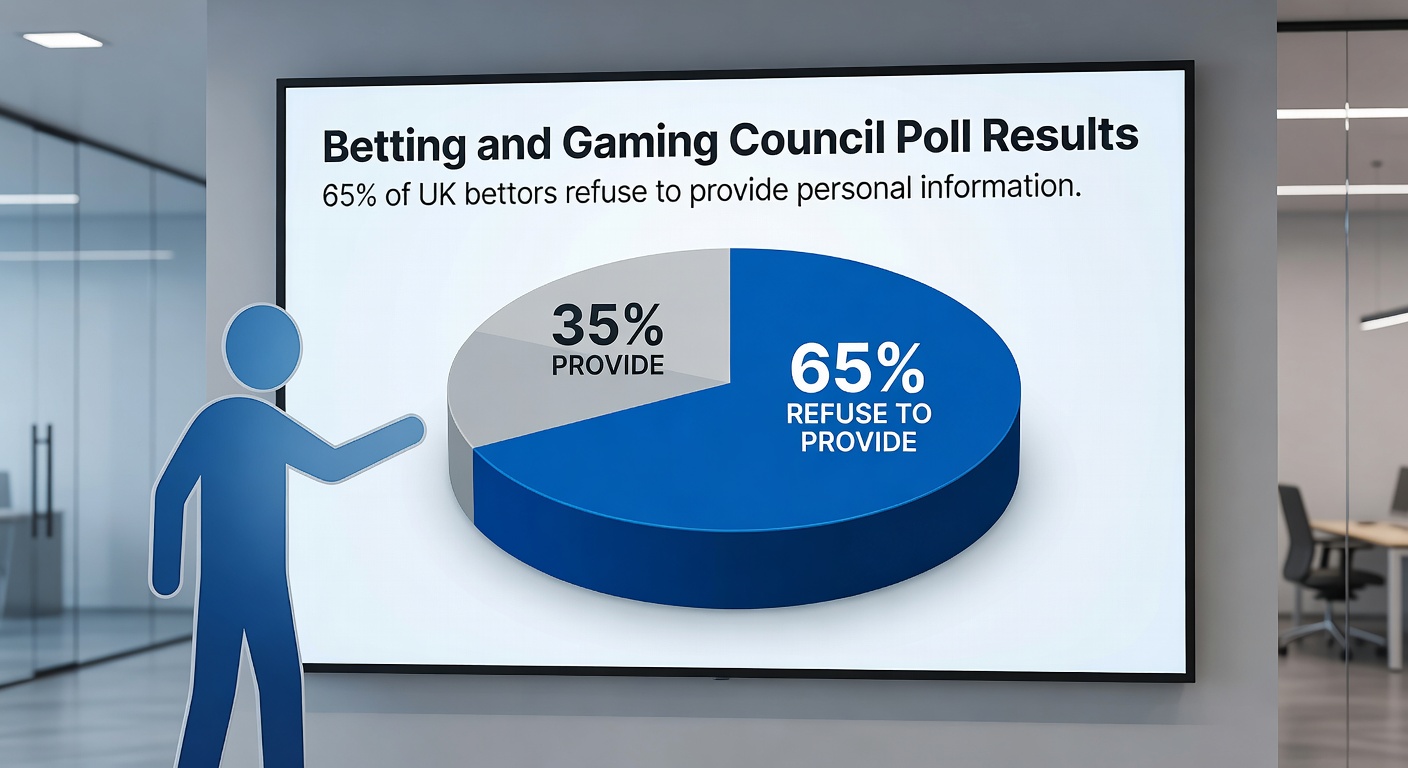
A recent poll commissioned by the Betting and Gaming Council reveals that 65% of UK bettors refuse to hand over personal financial documents like bank statements or payslips for proposed affordability checks, a stance that underscores growing tensions around upcoming gambling reforms. Those surveyed made it clear they won't share such sensitive information just to keep placing bets, and this resistance, data indicates, could drive punters toward unregulated black market operators where safeguards simply don't exist.
What's interesting here is how the numbers break down; researchers conducting the poll found that bettors view these checks not only as invasive but also as a barrier to their leisure activity, especially since black market sites offer no such hurdles while promising the same odds and excitement. Turns out, affordability checks aim to prevent problem gambling by assessing spending capacity, yet the poll suggests they might backfire spectacularly, pushing regulated customers underground where protections vanish entirely.
And while the government pushes forward with these measures under the Gambling Act review, industry voices warn that the regulated sector, which employs thousands and pumps billions into the economy, stands on shaky ground if punters bolt for illicit alternatives.
Racing Industry Mobilizes with Open Letter Plea
Over 408 figures from the British racing industry have signed an open letter to Culture Secretary Lisa Nandy, urging an immediate pause in the rollout of these affordability checks; signatories, ranging from trainers to track executives, highlight the dire risks to horseracing, a sport deeply intertwined with betting revenue. According to details from the letter, such reforms could erode the financial lifelines that sustain racecourses, prize money pots, and jobs across the sector, especially as recent tax hikes add fuel to the fire.
But here's the thing: the letter doesn't stand alone; it arrives amid broader concerns that affordability checks, combined with fiscal pressures, threaten to unravel a key pillar of UK sport. Observers note how racing relies on betting turnover for around 70-80% of its funding in some areas, so any dip in regulated punter activity hits hard, fast, and deep.
Take one trainer who spoke out in related coverage; they've seen patterns where similar restrictions abroad led to sharp declines in legal betting volumes, forcing tracks to cut events or close altogether, a cautionary tale that's now echoing through British stables.
Tax Hikes Pile On the Pressure Come April 2026
Layered onto these checks comes the Remote Gaming Duty hike to 40%, set for April 1, 2026, a move that squeezes operators' margins just as they brace for stricter customer verification; figures from the industry show this tax escalation will hit online gambling hardest, the very channel where affordability checks target high-volume bettors. And since remote betting has surged in recent years, powering much of the sector's growth, this double whammy raises alarms about sustainability.
Experts who've studied tax impacts point out that previous duty increases already prompted some firms to trim marketing budgets or rethink sponsorships, trends likely to accelerate with the 40% rate; meanwhile, punters facing affordability barriers might simply migrate to offshore sites untouched by UK taxes or rules, leaving the Treasury with less revenue overall.
It's noteworthy that the BGC ties these elements together, arguing the regulated market can't absorb both regulatory burdens and fiscal hits without consequences spilling into jobs and leisure funding.
Economic Stakes: Jobs and Taxes in the Balance
The Betting and Gaming Council emphasizes that affordability checks risk undermining a regulated sector supporting 109,000 jobs and generating £4 billion in taxes annually, contributions that fund public services while keeping betting within safe, monitored channels. Data from BGC reports underscores how legal operators invest heavily in responsible gambling tools, from self-exclusion programs to deposit limits, features absent on black market platforms that lure frustrated punters with lax rules.
Yet now, with 65% of bettors drawing a firm line at sharing bank details, the reality is that many might walk away from licensed sites altogether; people who've tracked similar reforms in places like Ontario or parts of Europe have observed sharp upticks in illegal betting traffic, where operators dodge taxes and ignore player protections, turning a regulated pastime into a wilder, riskier gamble.
So the poll doesn't just capture sentiment; it flags a potential exodus, one that could shrink the tax base even as duties rise, creating a paradox where reforms aimed at safety inadvertently boost unregulated shadows.
There's this case from Australia, for instance, where mandatory checks led to a 20% drop in legal wagers within months, according to studies; UK stakeholders reference such examples to press their case, noting how British racing, with its packed calendars and historic tracks, hangs in the balance if punters flee en masse.
Broader Implications for Regulated Betting Landscape
As the debate heats up, industry leaders call for frictionless alternatives like spending trackers or frictionless assessments that verify affordability without delving into personal finances; these options, proponents argue, maintain safeguards while respecting privacy, keeping bettors on licensed platforms where contributions to sport and economy flow steadily. But resistance persists at the policy level, with ministers defending checks as essential for curbing gambling harm, even as poll data paints a picture of widespread pushback.
Now, with the open letter gaining traction and the BGC poll making headlines, pressure mounts on policymakers to recalibrate; those in racing circles, from jockeys to executives, worry that without a pause, April 2026's tax changes will compound the damage, hitting an industry already navigating post-pandemic recoveries and shifting consumer habits.
It's not rocket science: regulated betting thrives on trust and convenience, so when checks feel like overreach, punters vote with their feet, often toward spots where the house edge remains but the oversight doesn't.
Conclusion
The BGC poll, backed by a racing industry chorus via open letter, lays bare the fault lines in UK gambling reforms, where 65% bettor refusal to share financial docs collides with affordability goals, black market fears, and looming 40% Remote Gaming Duty in April 2026. Figures reveal a sector bolstering 109,000 jobs and £4 billion in taxes now faces erosion if punters shift underground; stakeholders urge pauses and tweaks to preserve contributions to sport, economy, and responsible play. As discussions unfold, the path forward hinges on balancing protection with participation, ensuring regulated betting doesn't lose its grip to unregulated shadows.