UK Remote Gaming Duty Doubles to 40%: Spiral Effect Looms as Operators Slash Costs and Close Shops
4 Apr 2026
UK Remote Gaming Duty Doubles to 40%: Spiral Effect Looms as Operators Slash Costs and Close Shops

The Tax Hike Hits Hard from April 2026
Starting 1 April 2026, the Remote Gaming Duty—or RGD—on UK-licensed online casino and slots operators jumped from 21% to 40%, a move that immediately stirred concerns across the gambling sector; operators faced steeper costs on their gross gambling yield, which essentially measures player losses after bonuses and free bets, and that shift prompted quick reactions from major players in the industry. Data from Next.io highlights how this doubling caught many off guard, even though discussions had bubbled up beforehand, because the real sting landed when revenues began feeling the pinch right away. Those tracking the numbers noticed licensed firms scrambling to adjust, since the higher tax rate directly ate into profit margins that were already tight in a competitive online market dominated by slots and casino games.
But here's the thing: this wasn't just a simple tax bump; experts pointed to a potential "spiral effect," where lower post-tax revenues force operators to cut spending on marketing, staff, and promotions, which in turn shrinks player activity and further drops taxable income, creating a vicious cycle that's hard to break. Observers who've studied tax policies in gaming sectors note similar patterns elsewhere, like in other European markets where duty hikes led to slower growth, although the UK's jump stands out for its scale—nearly doubling overnight—and its focus squarely on remote operations that have driven much of the industry's revenue in recent years.
Major Operators Respond with Closures and Cuts
Evoke, the owner of the well-known William Hill brand, moved fast by announcing the closure of 200 retail betting shops beginning 24 May 2026, a decision tied directly to the RGD increase squeezing online profits and rippling into their broader operations; those shops, often hubs for both betting and community interaction, represent a significant slice of the high street presence that operators have maintained alongside digital growth. Figures reveal that such closures aren't isolated—industry-wide plans for marketing reductions and staff cuts emerged soon after, as companies recalibrate to survive the new 40% burden that hits casino and slots hardest, since those verticals generate the bulk of remote gross gambling yield.
And while Evoke's announcement grabbed headlines, smaller operators echoed the sentiment, trimming budgets across the board because every pound spent on acquisition or retention now faces amplified tax pressure; take one case where a mid-tier firm slashed ad spend by 30% in the weeks following 1 April, according to sector trackers, leading to quieter platforms and fewer new sign-ups. That's where the rubber meets the road for businesses balancing licensed compliance with profitability, especially since retail arms like those 200 shops often cross-subsidize online losses during tough patches.
Understanding the Spiral Effect in Detail
The "spiral effect" term gained traction quickly, describing how the 40% RGD prompts revenue drops that trigger cost-saving measures—think fewer promotions, leaner teams, and dialed-back tech investments—which then erode player engagement and taxable yields even more, potentially leaving the Treasury with less overall income than before the hike. Researchers examining fiscal impacts in gambling have modeled this dynamic, showing loops where a 10% revenue dip from tax alone can snowball into 20-30% less activity over quarters if operators pull back aggressively; in the UK context, with online casinos relying heavily on continuous marketing to combat churn rates around 25-30% monthly, the math gets brutal fast.
What's interesting here is how the duty targets only remote casino and slots—not sports betting, which sits at a lower 15% point-of-consumption tax—creating uneven pressure that pushes operators toward safer bets while casino arms suffer most; people in the know have observed that slots, responsible for over half of remote GGY in past reports, now bear the heaviest load, prompting shifts in product focus or even outright contractions. Yet the cycle doesn't stop there: reduced marketing means fewer problem gamblers caught by safer gambling tools, although data indicates licensed operators invest more in such measures than offshore rivals do.
Expert Warnings on Black Markets and Tax Yields
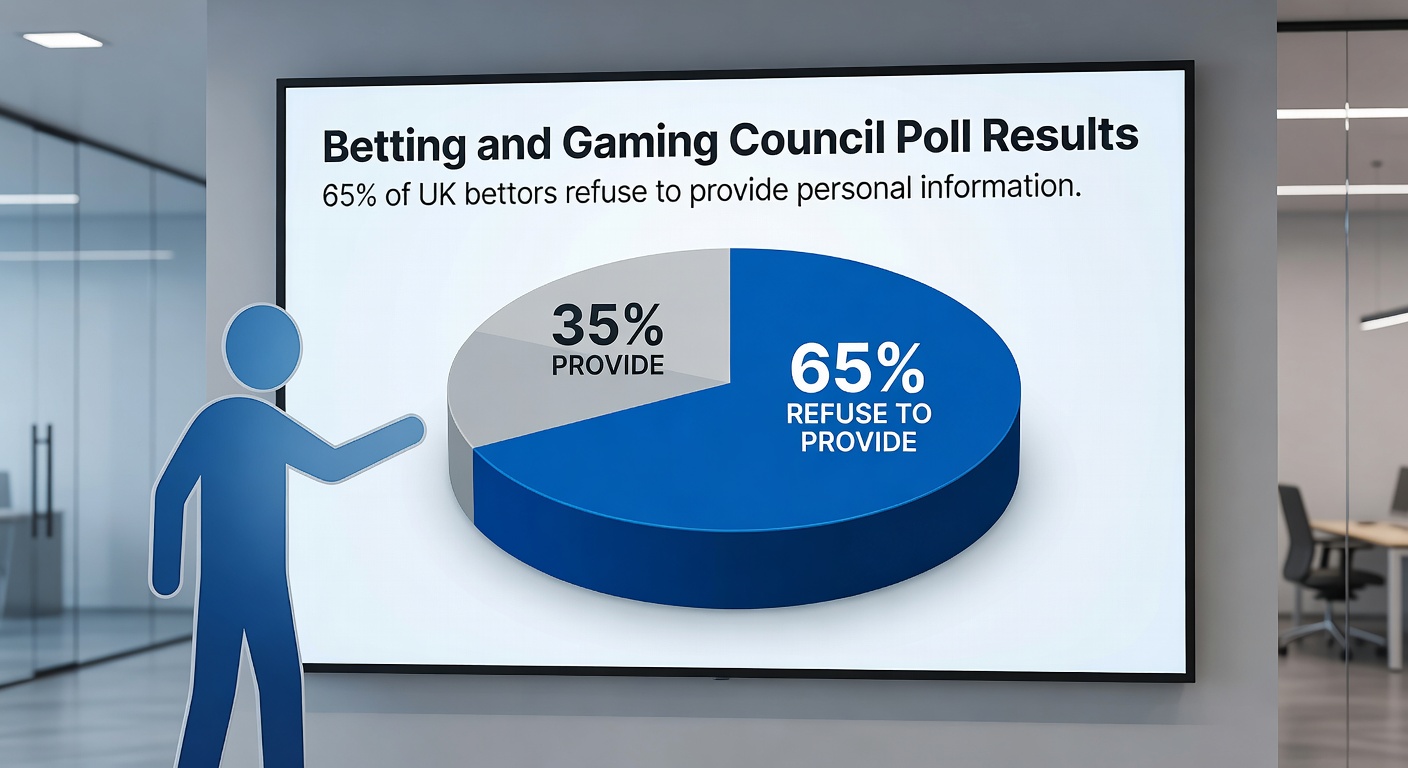
Regulatory consultant Dan Waugh sounded the alarm on potential black market growth, arguing that as licensed operators tighten belts under the 40% RGD, unregulated sites—often based offshore—fill the void with untaxed, unchecked games that lure price-sensitive players away; his views align with forecasts from the Office for Budget Responsibility, which predicted lower overall tax yields if the spiral takes hold, since migrating activity means zero revenue for HMRC from those shifts. Those who've crunched the numbers point out that the UK already loses billions annually to illegal operators, and this hike could widen that gap, especially for slots players chasing higher returns without the tax drag.
Turns out, the OBR's projections factor in behavioral responses like deposit limits or session timeouts becoming less enforced in gray markets, while licensed firms, bound by strict Gambling Commission rules, can't compete on odds or bonuses as freely; one study cited in industry analyses found that a 10% tax rise historically boosts illegal play by 5-7% in similar jurisdictions, a trend Waugh flags as particularly risky now with crypto casinos proliferating. So the ball's in policymakers' court to weigh short-term gains against long-term leaks, although early data post-April shows licensed GGY holding steadier than feared in some pockets.
Experts like Waugh also highlight staff cuts' downstream effects, where fewer compliance officers mean sloppier monitoring, ironically heightening risks the regulator aims to curb; across the board, marketing reductions—projected to drop 20-25% industry-wide—quiet the airwaves, but they amplify voices from unlicensed alternatives promising "tax-free" thrills.
Broader Ripples Across Retail and Online
Evoke's 200 shop closures, set to roll out from late May 2026, underscore how online tax pain bleeds into physical spaces, since many chains use retail as a feeder for apps and sites; observers note that high streets lose not just jobs—potentially hundreds per closure wave—but also local tax contributions from rates and VAT, compounding the fiscal hit. And while sports betting escapes the full 40% whammy, casino operators bundled under groups like Evoke feel the cross-vertical squeeze, leading to holistic cuts that spare no one.
Now consider player behavior: with promotions thinning out, casual slots users—who drive steady volume—drift toward free-play offshore options, a shift data from monitoring firms already picks up in early post-hike scans; it's not rocket science that higher duties passed indirectly to customers via worse odds accelerate this, yet licensed platforms counter with trust and tools like deposit caps that black markets skip entirely.
Conclusion: Watching the Spiral Unfold
As the 40% RGD settles in from April 2026, the gambling sector braces for the spiral effect's full force, with Evoke's shop shutdowns and widespread cuts signaling tough times ahead; Dan Waugh's black market cautions, backed by Office for Budget Responsibility forecasts, remind everyone that higher rates don't always mean higher revenues, especially when activity flees to shadows. Operators adapt through leaner operations, but the real test comes in coming quarters—will taxable yields stabilize, or will the cycle deepen, leaving policymakers to reassess amid falling returns? Those tracking the beat know the writing's on the wall if unchecked: a leaner, riskier landscape where licensed integrity battles untaxed temptation.